Mobile gaming isn’t just a hobby anymore; it’s a full‑blown entertainment ecosystem that reaches more than 3.5 billion users worldwide. The core idea is simple: games that run on smartphones and tablets, playable in a few taps, with micro‑transactions that fund ongoing development. The result is a constant stream of fresh content that keeps players coming back.
Instant Access, Instant Gratification
In 2026, the average download time for a new mobile title is under 30 seconds on 5G networks. That means a player can discover a new puzzle, install it, and start solving the first level before the coffee cools. Developers have cut launch windows to a single day in the past year, and that pace forces them to iterate quickly. The payoff is a game that feels fresh, even a week after release.
Monetization Models That Work
Micro‑payments have become the norm. A typical in‑app purchase—such as a boost or a cosmetic item—costs between $0.99 and $4.99. According to a 2025 survey, 68 % of casual players are willing to spend on average $2.50 per month. The key is transparency: clear price tags and a straightforward checkout flow. When a player sees exactly what they’re buying, trust builds and the likelihood of a repeat purchase rises.
Community and Social Features
Cross‑platform leaderboards now update in real time. A player who scores 1,200 points in a match on an iPhone can see that rank reflected instantly on a friend’s Android device. Social sharing buttons let users post a screenshot to Instagram or TikTok with a single tap, turning gameplay moments into viral content. This social loop not only keeps players engaged but also serves as a low‑cost marketing channel for developers.
From Casual to Competitive: The Rise of eSports on Mobile
Mobile esports tournaments now offer prize pools of up to $500,000. A recent event in Seoul attracted over 20,000 live viewers on a streaming platform. Teams practice on the same device that their fans play on, blurring the line between spectator and participant. For many, the barrier to entry is the same as any other casual game: a smartphone and a stable internet connection.
Bridging Casual Play with Online Gaming
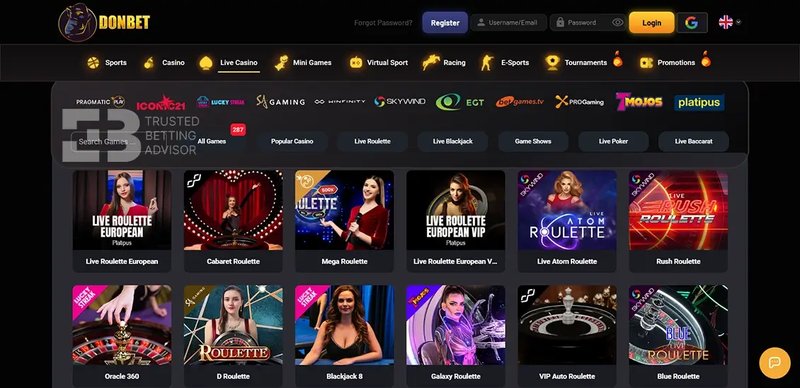
When you’re scrolling through your feed, a notification pops up: “New challenge unlocked! Beat the leader in 3 minutes.” This kind of instant call to action is similar to what you might see on a casino app, where a slot machine offers a free spin after a brief sign‑up. If you’re curious about how casual mechanics translate into online gaming, check out Donbet.
What It Means for the Future
Hardware advances—foldable screens, higher refresh rates, and more powerful GPUs—will push the envelope further. Developers are already experimenting with augmented reality overlays that let you solve puzzles in your living room. As the line between virtual and real blurs, the casual player’s experience will become more immersive without sacrificing the quick‑play charm that made mobile gaming popular.
Final Thoughts
Mobile gaming in 2026 is a dynamic mix of instant access, transparent monetization, social connectivity, and competitive depth. It has carved out a niche that rivals traditional console and PC gaming in both reach and revenue. For anyone looking to dip their toes into this evolving landscape, the next download is just a tap away.
Laisser un commentaire