Schedule a Peptide Therapy Consultation to discuss whether a mitochondrial-support protocol is appropriate for you.

Because MOTS-c is encoded in mitochondrial DNA, researchers have explored whether naturally occurring variants in its coding region correlate with metabolic traits in certain populations. That is a compelling mechanism, but the treatment findings are animal data. In that same body of work (MOTS-c expression rose in human skeletal muscle after acute exercise), and it appeared to interact with exercise to regulate PGC-1α — a master regulator of mitochondrial biogenesis. MOTS-c (Mitochondrial ORF of the Twelve S rRNA type-c) is a 16-amino-acid peptide encoded not in the cell’s nuclear DNA but within the mitochondrial genome — specifically inside the 12S ribosomal RNA region. Ask about peptide therapy or medical weight loss — get your questions answered, and leave with a plan from a licensed provider.
In most jurisdictions (it is permissible to sell this as a research chemical solely for laboratory use), prohibiting its marketing for human consumption or with any therapeutic claims. It is advisable to frame cautiously, as safety claims made with confidence lack adequate support. There is a lack of long-term studies involving humans, insufficient data concerning drug interactions, and no comprehensive analysis of effects on individuals with pre-existing metabolic conditions. Mild side effects have been reported (primarily localized irritation at the injection site), while fatigue or headache related to dosage occurs less frequently.
It remains uncertain whether the commonly used dose demonstrates prudent caution or if it is merely too low to produce any effect. The usage figure of 5–10 mg falls significantly below both thresholds. A standard body-surface-area conversion applies when scaling doses from animals to humans — which involves dividing mouse dosages by approximately twelve. Numerous websites indicate that a Phase 1 human safety trial for MOTS-c at doses of up to 10 mg has been completed.
In a 2021 study published in Nature Communications, researchers demonstrated that MOTS-c is induced by exercise in skeletal muscle and that it acts as a regulator of muscle homeostasis and age-dependent physical decline. Taken together, these mechanisms describe a molecule that acts as a metabolic signal rather than a hormone with a single dedicated receptor. Presence of non-disclosed or contaminant substances can violate anti-doping protocols and result in failed drug tests. MOTS-c presents dietary supplement compliance concerns due to unlawful ingredient status and the potential for misleading packaging or claims.
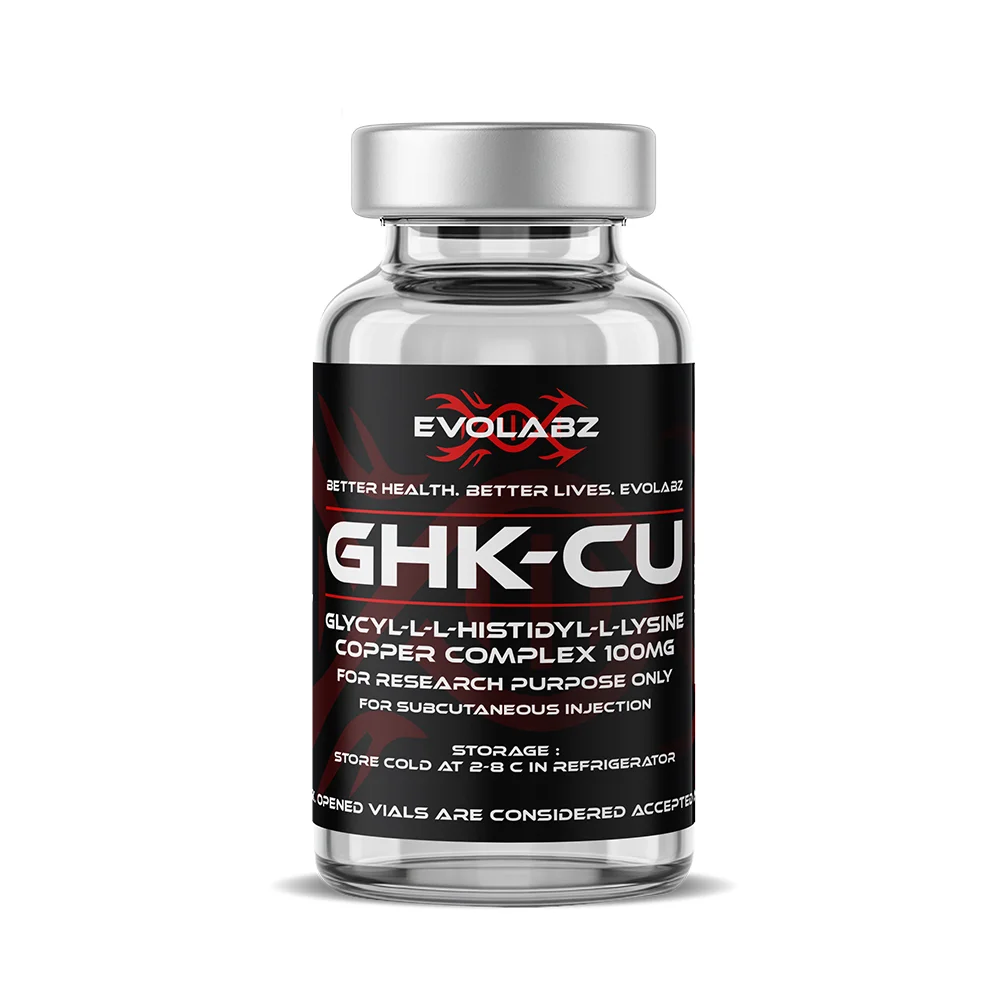
Vial reference

The BD Ultra-Fine 31G 0.3cc insulin syringes feature gradation marks indicating 1 unit, ensuring precision for MOTS-c doses under 50 units. Although both aim to enhance mitochondrial function, they utilize distinct mechanisms. Research shows that in animal models (insulin resistance), obesity, exercise capacity, inflammation, and aging are positively affected.
When reviewing MOTS-C research (keep animal intervention findings), endogenous human measurements, and controlled human treatment data clearly separated. Animal studies have used experimental doses such as 5 mg/kg and 15 mg/kg in mice, depending on the research model. AMPK activation is one of the most consistently discussed mechanisms in MOTS-C research.
As individuals age, levels of MOTS-C in skeletal muscle and plasma experience a decline. It directly influences the regulation of metabolism by peptides and has emerged as an increasingly significant focus in peptide therapy related to longevity and enhancing physical performance. Before considering any peptide protocol, it is essential to consult a qualified healthcare provider.
This guide clarifies varying levels of evidence and details what is known about MOTS-c from a research perspective. MOTS-c is an emerging topic in research rather than a verified method for weight loss or promoting healthy aging. This document forms part of a review of compounding practices — rather than serving as an approved prescribing label. The FDA’s 2026 staff review highlighted deficiencies in data regarding human administration and raised concerns related to immune reactions — peptide aggregation, and impurities. Claims regarding results or tolerability for CB4211 should not be automatically assumed to apply to products labeled as MOTS-c. This explanation for metabolic effects is a hypothesis rather than evidence that the same intervention addresses diabetes in individuals.
To evaluate your health history and medications before considering any peptide protocol, schedule a Peptide Therapy Consultation. Certain protocols may omit dosing on rest days, particularly when they are organized around workout schedules. The timing of doses is one of the unique aspects of a MOTS-c protocol as it relates to the body’s energy state.

Conflicting claims exist among some sources regarding the potential for MOTS-c to encourage the development of prostate and breast cancer. The objective is to achieve controlled fat loss rather than inflict metabolic damage due to starvation. Insufficient quality of sleep negatively affects metabolic health, muscle recovery, and nearly all outcomes pursued by peptide researchers. Taking your doses earlier in the day often alleviates sleep-related issues. The peptide effectively speeds up the clearance of glucose, potentially lowering blood sugar levels more rapidly than the body anticipates.
These theoretical insights stem from studies in mice and mechanisms (not from documented adverse-event rates in human randomized controlled trials), as such trials do not exist. SS-31 , elamipretide, is a synthetic peptide that targets mitochondria, functioning by stabilizing cardiolipin in the inner mitochondrial membrane, which differs from how MOTS-c activates AMPK. In humans — the same study indicated that exercise enhances the expression of endogenous MOTS-c in both skeletal muscle and blood circulation. The activation of AMPK was proposed to occur through the folate-AICAR pathway. In mice — treatment with MOTS-c successfully prevented obesity induced by diet and reversed insulin resistance caused by aging and high-fat diets. Most of the research on this mechanism was conducted using mice and isolated cells.
This is not suitable for individuals who are pregnant or nursing, tested athletes, or those with uncontrolled medical conditions. Online vials labeled for “research-only” use are not designed for human injection — and MOTS-c is permanently prohibited for tested athletes under WADA/USADA regulations. It may occasionally be combined with SS-31 (which operates via a different mitochondrial mechanism) or with CJC-1295/Ipamorelin (targeting the growth-hormone axis) for complementary objectives. Adding 2 mL to a 10 mg vial gives 5 mg/mL, so a 5 mg dose equals 1.0 mL , 100 units on a U-100 insulin syringe,. Introduce bacteriostatic water along the internal wall of the vial and gently swirl it, never shake.
Since MOTS-c degrades more quickly than most peptides (the importance of cold-shipped), third-party-tested materials is heightened in this context; Ascension’s MOTS-c 10mg is the vial utilized by most protocols specified below. Certain studies and reviews address circulating levels of MOTS-c concerning insulin resistance, obesity, and exercise. Compounding protocols differ significantly and lack strong support from human interventional data.
Some practitioners advocate for lower-dose, longer-term use with periodic breaks for longevity protocols. Amounts described come from published research and practitioner protocols as context, not as instructions. GLP-1s produce faster, more dramatic weight loss, but often come with nausea, muscle loss, and appetite suppression some people find miserable.